
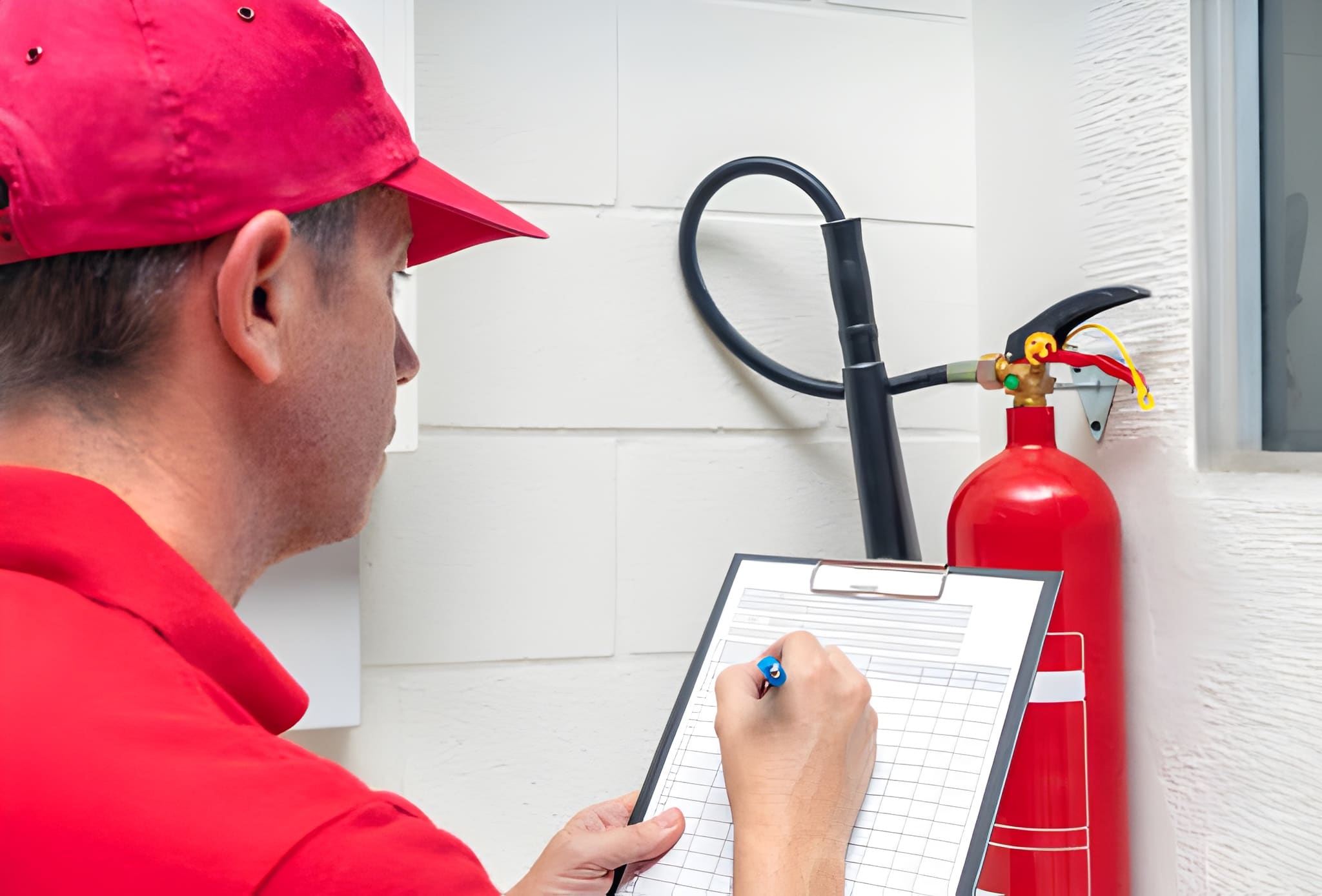
Gas-related systems play an essential role in heating, cooking, and energy supply across residential and commercial properties. However, poorly installed or inadequately maintained gas appliances present serious risks, including fire, explosion, and carbon monoxide exposure. For this reason, gas safety must be managed with diligence, competence, and adherence to legal standards.
In the United Kingdom, clear legislation exists to ensure gas safety is maintained through proper installation, regular inspection, and ongoing maintenance. These requirements are designed to protect occupants, employees, and the general public from preventable harm.
Understanding Legal Responsibilities
The Gas Safety (Installation and Use) Regulations 1998 place defined duties on landlords, employers, and those responsible for premises where gas appliances are present. Compliance with gas safety legislation is mandatory, not optional, and failure to meet these obligations can result in serious legal consequences.
Landlords are required to ensure that all gas appliances, flues, and pipework are inspected annually by a Gas Safe registered engineer. A valid safety record must be issued to tenants as evidence of compliance, reinforcing the importance of gas safety in rental properties.
Scope of Gas Inspections and Checks
Professional inspections assess whether gas appliances are operating correctly and safely. Engineers examine pipework integrity, ventilation adequacy, appliance combustion, and flue performance. These checks are fundamental to maintaining gas safety and identifying defects before they develop into critical hazards.
Any appliance found to be unsafe must be repaired, isolated, or replaced without delay. Addressing faults promptly is a key element of effective gas safety management.
Carbon Monoxide and Associated Risks
Carbon monoxide is one of the most dangerous by-products of faulty gas appliances. It is colourless, odourless, and potentially fatal when inhaled. Preventing carbon monoxide exposure is a core objective of gas safety, requiring proper ventilation, functioning flues, and regular appliance servicing.
The installation of carbon monoxide alarms provides an additional layer of protection and supports wider gas safety measures within properties.
Importance of Competent Professionals
All gas-related work must be carried out by engineers registered with the Gas Safe Register. This ensures that individuals working on installations have the necessary training, competence, and legal authorisation. Using unqualified persons undermines gas safety and exposes property owners to significant legal and personal risk.
Verification of engineer credentials should always form part of responsible gas safety practice.
Record Keeping and Ongoing Management
Accurate documentation plays a vital role in demonstrating compliance. Inspection records, service logs, and repair documentation provide evidence that gas safety obligations are being met and allow issues to be tracked over time.
Regular review of systems and prompt action when concerns arise help ensure that gas safety standards are maintained consistently rather than treated as a one-time requirement.
Conclusion
Effective management of gas systems is essential for protecting life, property, and legal compliance. By prioritising professional inspections, competent workmanship, and thorough record keeping, responsible persons can significantly reduce risk.
Maintaining gas safety is not merely about meeting legal requirements; it reflects a commitment to responsible property management and long-term occupant wellbeing.