
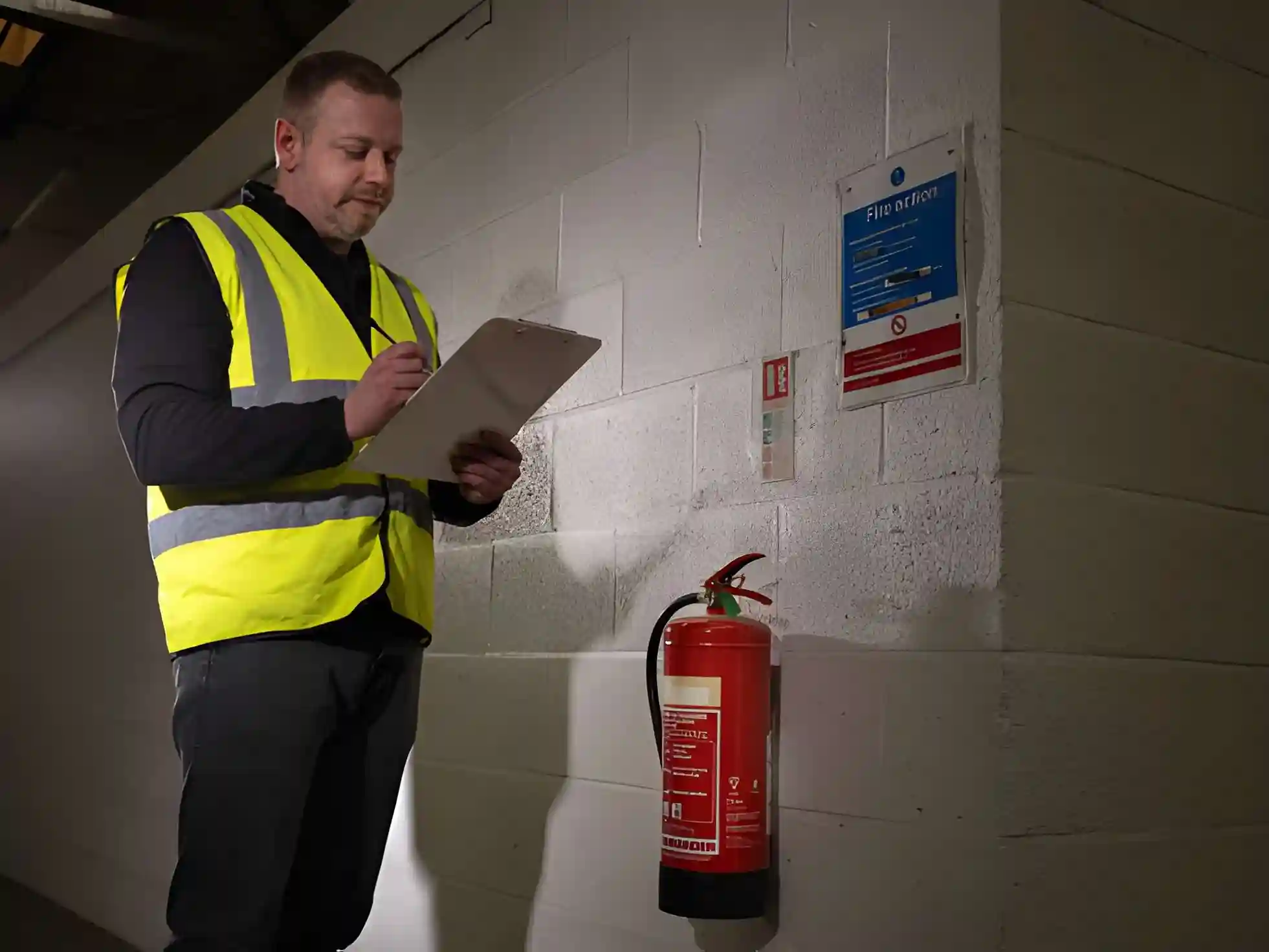
Fire safety is a critical responsibility for property owners, employers, and those who manage buildings. Fires pose a serious threat to life, property, and business continuity, and the consequences of inadequate fire safety management can be severe. A structured fire risk assessment is the foundation of effective fire prevention and protection, ensuring that hazards are identified, risks are controlled, and people are kept safe.
In the United Kingdom, fire risk assessments are a legal requirement for most non-domestic premises and shared areas of residential buildings. They are not simply a paperwork exercise but a systematic process designed to reduce the likelihood of fire and limit its impact should one occur.
What Is a Fire Risk Assessment?
A fire risk assessment is a methodical evaluation of a building to identify potential fire hazards, assess the level of risk to occupants, and determine whether existing fire safety measures are adequate. The assessment considers how a fire could start, how it might spread, and how people would escape safely.
The purpose is to ensure that reasonable and proportionate measures are in place to protect life. This includes prevention strategies, early detection, warning systems, safe escape routes, and appropriate emergency procedures.
Legal Importance of Fire Risk Assessments
Fire risk assessments are required under the Regulatory Reform (Fire Safety) Order 2005 in England and Wales, with similar legislation applying in Scotland and Northern Ireland. The law places responsibility on the “Responsible Person,” which may be an employer, building owner, landlord, or managing agent.
Failure to carry out a suitable and sufficient assessment can result in enforcement action, substantial fines, or imprisonment. More importantly, non-compliance significantly increases the risk of injury or loss of life during a fire. FRA therefore serve both a legal and moral purpose.
Who Needs a Fire Risk Assessment?
Fire risk assessments are required in nearly all non-domestic premises, including offices, shops, factories, warehouses, schools, healthcare facilities, and places of assembly. Residential buildings with shared or communal areas, such as apartment blocks and houses in multiple occupation, also fall under this requirement.
Single private dwellings occupied by one household are generally exempt; however, landlords still have a duty to ensure that fire safety measures such as alarms and escape routes are appropriate.
Key Elements of a Fire Risk Assessment
A professional FRA follows a structured approach, beginning with hazard identification and ending with documented findings and actions. The assessor examines potential ignition sources, combustible materials, and oxygen supplies that could contribute to fire development.
The assessment then considers who may be at risk, including employees, visitors, residents, and vulnerable individuals such as children, the elderly, or people with disabilities. Particular attention is given to sleeping accommodation, lone workers, and high-occupancy areas.
Existing fire safety measures are evaluated to determine their effectiveness. This includes fire detection and alarm systems, emergency lighting, firefighting equipment, fire doors, compartmentation, signage, and escape routes. Management procedures such as staff training, evacuation plans, and maintenance schedules are also reviewed.
Identifying Fire Hazards
Fire hazards are typically categorised into three main areas: sources of ignition, sources of fuel, and sources of oxygen. Common ignition sources include faulty electrical equipment, hot surfaces, smoking materials, and open flames. Fuel sources may consist of furniture, paper, packaging, flammable liquids, and waste materials. Oxygen is usually present in the air but may be enriched by ventilation systems or medical oxygen supplies.
The assessor evaluates how these elements interact within the building and whether controls are sufficient to prevent ignition or fire spread.
Assessing Risk to Occupants
Risk assessment is not solely about identifying hazards; it also considers how those hazards affect people. The layout of the building, the number of occupants, and their familiarity with the premises all influence risk levels.
Special consideration is given to vulnerable individuals who may have difficulty responding quickly in an emergency. The assessor evaluates whether evacuation procedures are realistic and whether assistance arrangements are in place where needed.
Fire Safety Measures and Controls
Effective fire safety relies on a combination of prevention, protection, and management. Preventative measures reduce the likelihood of fire, while protective measures limit its impact. Management controls ensure that systems remain effective over time.
This includes maintaining electrical and heating systems, ensuring fire doors are self-closing and unobstructed, keeping escape routes clear, and regularly testing alarms and emergency lighting. Staff training and fire drills play a vital role in ensuring that occupants know how to respond calmly and safely.
Recording and Reviewing the Assessment
The findings of a fire risk assessment must be recorded, particularly where five or more people are employed. Documentation should clearly identify hazards, outline existing controls, and specify any additional actions required along with responsible persons and target dates.
Fire risk assessments are not static documents. They must be reviewed regularly and updated whenever significant changes occur, such as building alterations, changes in occupancy, new equipment, or incidents that highlight weaknesses in existing measures.
Common Deficiencies Found During Assessments
Many FRA identify similar recurring issues. Poor housekeeping, blocked escape routes, damaged fire doors, and inadequate alarm coverage are among the most common concerns. Lack of staff training and outdated emergency plans also frequently contribute to increased risk.
Addressing these issues promptly not only improves safety but also demonstrates proactive compliance with fire safety legislation.
Competence and Professional Assessment
While legislation allows responsible persons to carry out their own assessments, the complexity of many buildings means that professional expertise is often required. A competent fire risk assessor possesses appropriate training, experience, and knowledge of fire safety principles and legislation.
Engaging a qualified professional provides assurance that the assessment is thorough, accurate, and defensible in the event of inspection or incident.
Benefits Beyond Legal Compliance
A well-conducted fire risk assessment offers benefits beyond meeting legal requirements. It reduces the likelihood of fire-related incidents, protects lives, minimises property damage, and supports business continuity. It can also improve insurance terms and demonstrate a strong commitment to health and safety management.
Organisations that prioritise fire safety often experience fewer disruptions, lower risk exposure, and greater confidence among staff, residents, and stakeholders.
Conclusion
Fire risk assessments are a fundamental element of effective fire safety management. They provide a structured and practical approach to identifying hazards, assessing risk, and implementing appropriate control measures. More than a regulatory obligation, they are a vital tool for protecting lives and property.
Regular assessment, competent evaluation, and ongoing review ensure that fire safety measures remain effective as buildings and usage evolve. By treating FRA as an active process rather than a one-time task, responsible persons can significantly reduce the risk of fire and its potentially devastating consequences.