
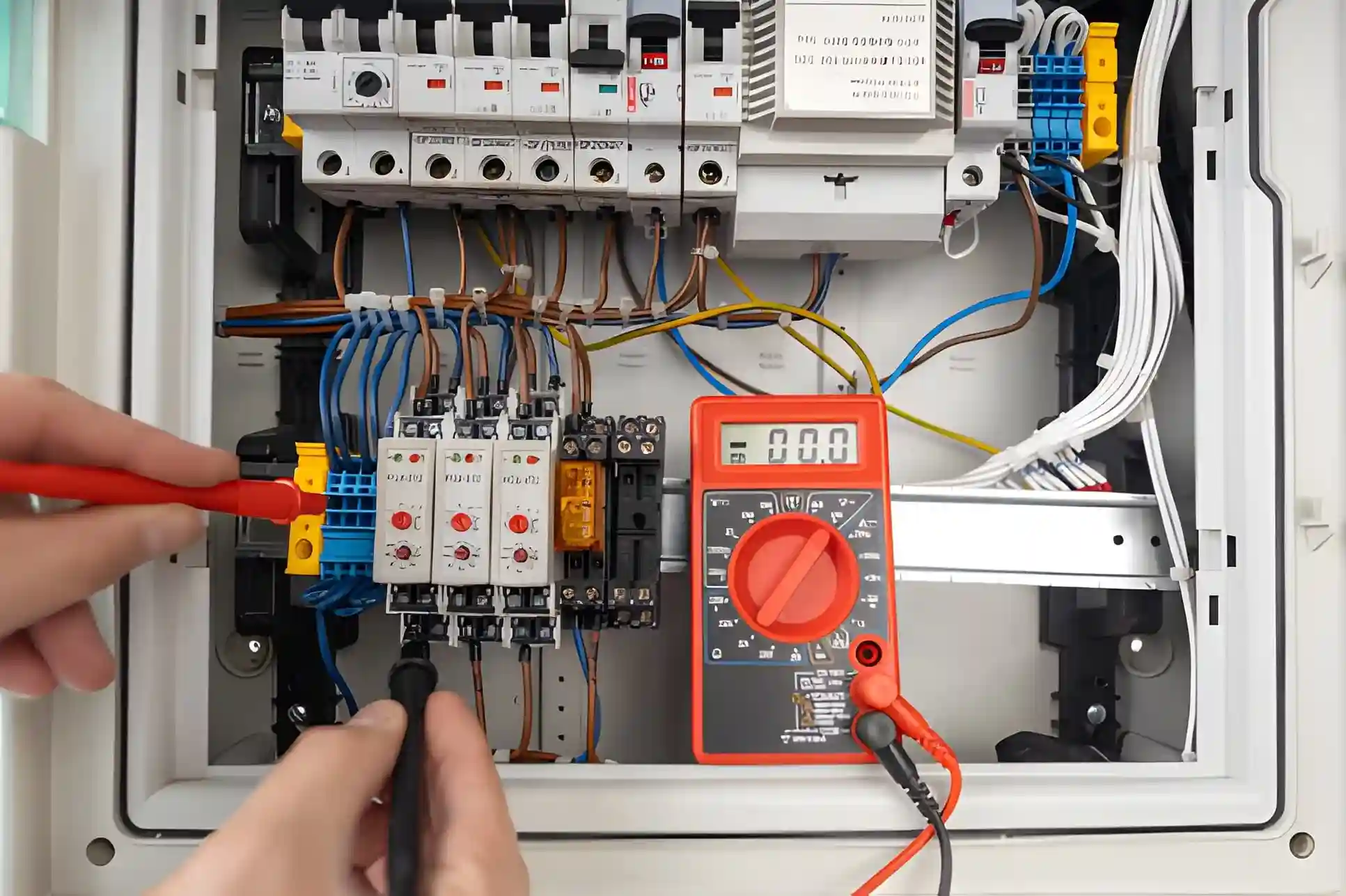
When you live with electricity every day, it’s easy to forget how much is happening behind the walls. A kettle that boils in seconds, a shower that stays warm, a laptop that charges overnight—none of it feels risky until something trips, smells hot, or stops working. The purpose of an electrical condition check is simple: confirm that your fixed wiring and key components are still safe for continued use, and identify issues before they become a fire, shock, or costly breakdown.
If you have heard the term eicr and wondered whether it applies to you, the short answer is: almost certainly, at some point. For some people it’s a legal requirement (particularly landlords). For others it’s a practical “home MOT” that provides peace of mind—especially when moving into an older property, renovating, or noticing persistent electrical oddities.
This guide is written in plain English for UK homeowners, landlords, and letting agents. It explains what the inspection is, what an electrician actually tests, how to read the outcomes, and how to plan next steps without stress.
What the Report Actually Is
An EICR is a formal assessment of the safety and condition of a property’s fixed electrical installation. “Fixed” means the parts that stay with the building: consumer unit, circuits, sockets, switches, fixed lighting, earthing and bonding, and the overall integrity of wiring routes. It does not focus on every portable device you own, although an electrician may note obvious hazards.
At the end of the visit, you receive a written report with observations, test results, and a clear classification of any issues found. This is what people usually mean when they say they need an eicr.
Who Needs One, and When
The right timing depends on how the property is used and what the last inspection found.
- Private rented homes in England: Landlords must ensure the electrical installation is inspected and tested at least every five years by a properly qualified person, and must provide a copy of the report to tenants and, if requested, the local authority.
- Scotland: Landlords are expected to have periodic inspection and testing completed every five years under the Repairing Standard guidance.
- Owner-occupied homes: While it’s not generally a legal requirement to test on a set cycle, many practitioners and safety organisations recommend periodic checks, particularly for older wiring or before/after major works.
Even when you are not legally required, you may still want an eicr if:
- You’re buying a property and want a clear view of electrical condition before committing
- You’re planning a kitchen or loft conversion where electrical loads may increase
- You’ve inherited a property that has been vacant
- You’ve noticed signs like frequent tripping, buzzing, warm sockets, or flickering lights
What Happens During the Visit
A professional inspection is a combination of visual checks and instrument testing. The exact steps vary, but the workflow is generally consistent.
1) Initial discussion and safe isolation
The electrician will ask about any known issues and identify the consumer unit and main isolation point. They may need access to all rooms and key accessories. Power is often turned off for parts of the testing.
2) Visual inspection
This checks for obvious risks and signs of deterioration, such as:
- Outdated or damaged consumer unit components
- Missing RCD protection where expected
- Signs of overheating (discolouration, burning smell, brittle accessories)
- Poor workmanship (loose back boxes, exposed copper, inappropriate connections)
- Inadequate earthing or bonding to gas/water services
3) Circuit identification and test measurements
Tests can include continuity, insulation resistance, polarity, earth fault loop impedance, RCD trip times, and verification of protective device ratings. The point is to confirm that protective measures will operate correctly if a fault occurs.
4) Limitations and practical constraints
If certain areas can’t be accessed (locked rooms, fixed furniture, sealed junctions), the electrician should record “limitations” in the report. This matters, because a report with heavy limitations may not give you the certainty you think you are buying.
Understanding the Result Codes
The report will classify observations using standard codes, commonly:
- C1 – Danger present. Risk of injury. Immediate remedial action required.
- C2 – Potentially dangerous. Urgent remedial action required.
- C3 – Improvement recommended. Not immediately dangerous, but not to current standards or best practice.
- FI – Further investigation required without delay.
In general, a report is considered “satisfactory” only when there are no C1, C2, or FI items. A C3 alone can still be satisfactory, but it is a signal that upgrading would reduce future risk.
It’s important to treat these codes as a priority list, not a personal criticism of your home. Many older properties were built to the standards of their time; the goal is to identify what needs attention now.
Common Issues That Show Up in Older Properties
While every home is different, a few themes appear frequently across UK housing stock:
- Older consumer units without modern protective devices
- Lack of RCD protection on socket circuits or circuits supplying bathrooms
- Deteriorated wiring insulation (especially if the property is several decades old)
- Poor or missing bonding to metal services
- DIY alterations, spur overloads, or hidden junction issues
- Water ingress in external accessories or outbuildings
If your electrician flags any of the above, the next steps are usually straightforward: make safe, repair, retest, and record the outcome.
How Much It Typically Costs
Pricing varies by location, property size, and circuit complexity. A small flat with easy access is quicker than a large, extended house with outbuildings. Some contractors price by the number of circuits; others quote a fixed price by property type.
When comparing quotes, ask what is included:
- Is the report itself included, or charged separately?
- How many circuits are included before “extras” apply?
- Are minor remedials (like replacing a damaged socket) priced separately?
- Will you receive digital copies suitable for tenants/agents?
As a practical tip: the cheapest quote can become expensive if it excludes key circuits, carries heavy limitations, or treats remedial work as an afterthought.
How Long It Takes and How to Prepare
Typical onsite time can range from a couple of hours for a small property to most of a day for larger homes. Preparation makes a big difference:
- Ensure access to the consumer unit and meter
- Clear space around sockets you know are awkward to reach
- Provide loft hatch access if applicable
- Tell the electrician about any sensitive equipment or medical devices
- If you’re a landlord or agent, notify tenants that power may be interrupted
Good preparation helps reduce “limitations,” which improves the usefulness of the final report and can keep costs down.
What to Do If Your Report Is Unsatisfactory
An unsatisfactory report can feel alarming, but it is also a clear plan of action. Work through it in order:
1) Address C1 items immediately
These are urgent safety issues. The electrician may isolate a circuit, make safe on the day, or advise emergency repair.
2) Schedule urgent remedials for C2
These are not always immediately dangerous, but they represent a real risk. Organise repair as soon as practical.
3) Handle FI with a structured follow-up
Further investigation often means something could not be verified during routine testing. The key is to close the loop—investigate, fix, and document the outcome.
4) Decide what to do with C3 improvements
C3 items are not “failures,” but they are often cost-effective upgrades, such as adding RCD protection, improving bonding, or updating accessories in high-use areas.
Once remedials are complete, you should receive written confirmation. In many cases, that will be a Minor Electrical Installation Works Certificate or updated documentation that clearly references which items have been corrected from the original eicr.
Choosing a Competent Electrician
Because the outcome affects safety, compliance, and sometimes insurance, selecting the right person matters. Look for:
- Clear evidence of qualifications and experience in inspection and testing
- Membership of a recognised competent person scheme (where applicable)
- Transparent reporting: clear limitations, test results, and explanations
- Professional communication: booking process, tenant handling, and post-visit support
If you are a landlord, remember that your responsibility is not only to obtain the eicr but also to act on the findings within the required timeframes.
Landlords: Key Compliance Points
For landlords, the process is not finished when the electrician leaves. In England, you must obtain the report, provide it to existing tenants within the required window, provide it to new tenants before they move in, and supply it to the local authority if requested. You must also ensure checks are repeated at least every five years, or sooner if the report states a shorter interval. In practice, treat the eicr as part of a system: inspection, remediation, and record-keeping.
For Scotland, guidance under the Repairing Standard indicates periodic inspection and testing every five years and expects landlords to keep evidence of compliance.
Homeowners: When It’s Especially Worth Doing
You will get the most value from an eicr when a decision depends on the condition of the electrics, such as:
- Before purchasing or immediately after moving in
- Before major renovations (kitchen rewires, extensions, heating upgrades)
- If your consumer unit is older or you do not have modern protective devices
- If you have persistent nuisance tripping or unexplained faults
- If you’re converting rooms into home offices with heavier electrical loads
In other words, it’s less about ticking a box and more about turning uncertainty into a clear maintenance plan.
Quick Checklist Before You Book
- Make a simple room-by-room access plan so the electrician can reach sockets, light fittings, and the consumer unit without delay.
- If you have recent electrical paperwork (installation certificates, previous reports, details of a consumer unit change), keep it handy; it helps the tester understand what has been altered and when.
- Note any recurring problems in advance (which circuit trips, which socket feels warm, which lights flicker). Small details can shorten fault-finding and prevent repeat visits.
- Decide how you want results delivered (PDF, hard copy, emailed to an agent) and confirm it at booking stage.
Frequently Asked Questions
1) Is this the same as PAT testing?
No. PAT is typically used for portable appliances, while the report focuses on the fixed installation. A landlord may need both depending on what equipment is provided and what the qualified person determines is necessary.
2) Will the power be off the whole time?
Usually not, but it will be off for certain tests. Your electrician should explain when and why.
3) Can a report be done if tenants are in the property?
Yes, but it requires access and cooperation. Clear communication and a realistic time window make the day smoother.
4) What does “limitations” mean?
It means parts of the installation could not be accessed or tested. A small limitation may be acceptable; many limitations reduce confidence.
5) Does an older home automatically “fail”?
Not automatically. Older installations can be safe, but they are more likely to have outdated protective measures.
6) What is the difference between C2 and C3?
C2 indicates a potentially dangerous condition that needs urgent remedial action. C3 is an improvement recommendation—useful, but not necessarily urgent.
7) Do I need a new consumer unit if the report is unsatisfactory?
Not always. Sometimes targeted remedials are enough. If protective devices are missing or the unit is unsafe, replacement may be recommended.
8) Can I do the fixes myself?
Electrical remedials should be carried out by a competent person. DIY fixes can create hidden risks and may complicate compliance or insurance.
9) How often should I repeat it?
Landlords in England must ensure inspection and testing at least every five years. For owner-occupiers, periodic inspection is a sensible safety measure, especially for older homes or after major works.
10) What should I keep on file?
Keep the report, proof of any remedial work, and a simple record of dates and communications. If you ever need to show due diligence, good records make the process painless.